The Science of Nature and Happiness: Why Green and Blue Spaces Improve Mental Health
Why are some jobs happier than others? A recent analysis published in The Washington Post examined data from the U.S. Bureau of Labor Statistics’ American Time Use Survey to compare happiness across professions—and the results were striking.
The least happy workers? Lawyers. (As someone married to a lawyer, this came as little surprise.)
The happiest? Lumberjacks, foresters, and farmers.
These professions share one defining feature: they involve working outdoors in nature. Not just being outside in urban settings, but spending time surrounded by trees, fields, and open landscapes. These findings help explain why companies invest millions in biophilic design—like vine-covered walls in Amazon’s Seattle headquarters or Apple’s tree-filled campus in Cupertino.
So what exactly makes time in nature so powerful for happiness and health? Decades of psychological research provide clear answers.
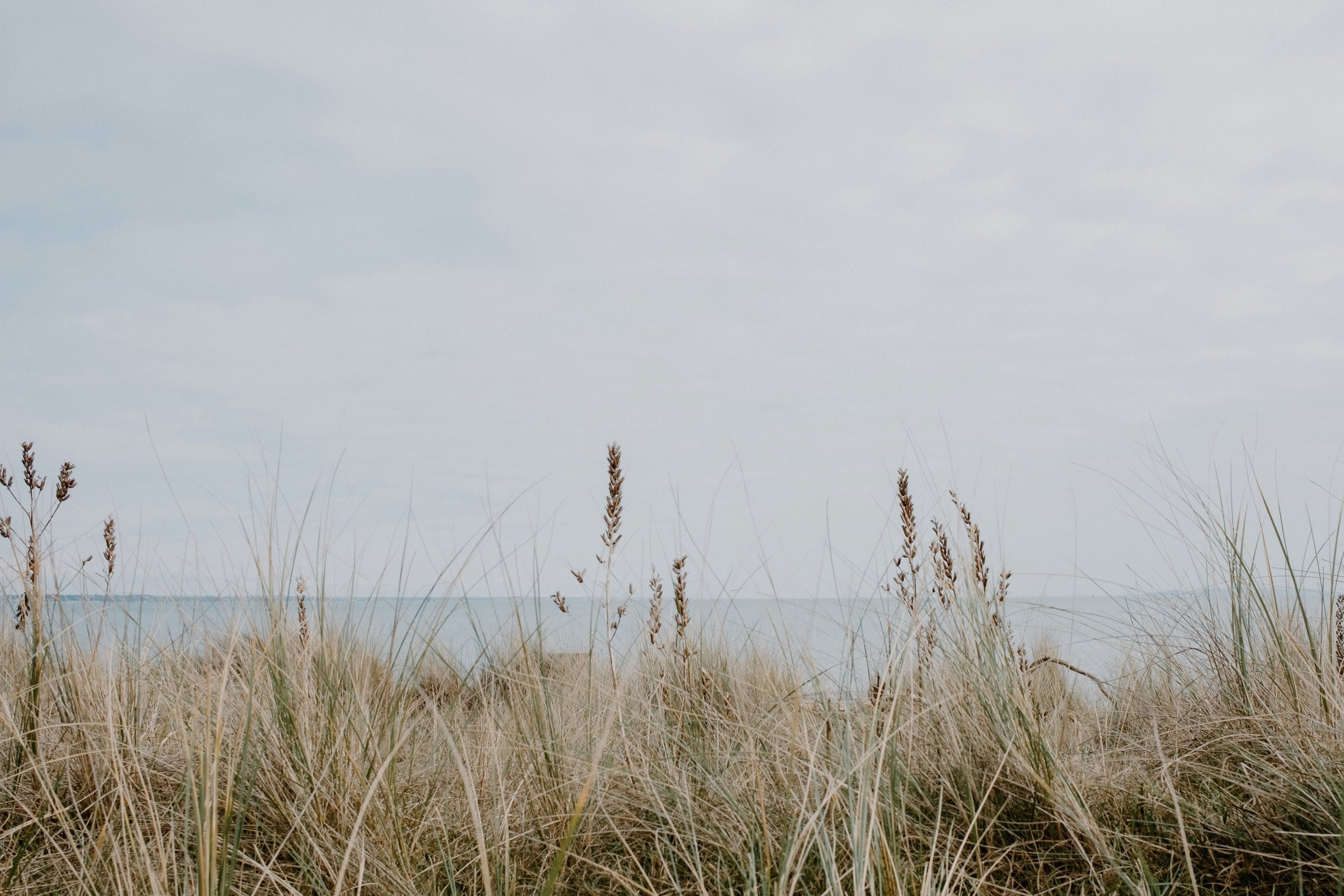
How Nature Increases Happiness
Think about how you feel after walking on a beach, strolling through a garden, or hearing birds chirp outside your window. Most people report feeling calmer, more energized, and more alive. That’s not just perception—it’s science.
In a major longitudinal study of more than 10,000 people in Britain followed over 18 years, researchers found that people who lived near natural environments—including parks, gardens, and water—reported higher life satisfaction and lower rates of anxiety and depression. Importantly, when people moved to greener areas, their mental health improved over time.
Similar results emerged in a study of Wisconsin neighborhoods: across all income levels, people living in areas with more than 10% tree canopy reported significantly lower depression and anxiety.
How Nature Reduces Stress
Nature doesn’t just lift mood—it calms the nervous system.
People who walk through a park for an hour feel less anxious than those who walk along busy streets. They also show lower levels of rumination, a mental pattern linked to depression.
Brain-imaging studies reveal that people walking in park-like environments show calmer brain activity than those in urban settings. And research on shinrin-yoku (forest bathing) in Japan shows that just 20 minutes in a forest lowers heart rate, blood pressure, and cortisol, the body’s primary stress hormone.
Together, these findings explain why people who regularly spend time in nature report lower stress and fewer stress-related illnesses.
How Nature Improves Physical Health
Because nature reduces stress and physiological arousal, it also improves physical health.
People who live near green spaces have lower rates of chronic conditions such as diabetes, hypertension, and lipid disorders. Even modest exposure helps: spending 30 minutes per week in green spaces may reduce rates of high blood pressure by as much as 9%.
Perhaps most striking, a large study of over 100,000 women found that those living in the greenest neighborhoods had a 12% lower mortality rate over eight years than those in the least green environments—even after accounting for income, education, and lifestyle.
Nature doesn’t just make us feel better. It helps us live longer.

Why Water (Blue Space) Is Especially Powerful
Green space matters—but water may matter even more.
A few years ago, my husband and I bought a modest beach house several hours from home. Every time we arrive and see the ocean, the stress of traffic and travel fades almost instantly. That experience is far from unique.
Looking at water lowers heart rate and blood pressure and increases serotonin and endorphins. Brain-wave studies show that simply viewing images of water produces more relaxed brain patterns than viewing green landscapes alone.
In one study, patients undergoing dental procedures felt less pain and anxiety when using virtual reality to “walk” along a beach compared to walking through a city or receiving standard care.
Large-scale research using smartphone tracking in the UK found that people were happiest in natural environments—but happiest of all near marine and coastal settings.
One reason may be perspective. As author Catherine Kelly explains, being near vast bodies of water helps us feel smaller in a healthy way: our worries seem less overwhelming when placed against something immense and enduring.
Even urban water helps. Studies show that people with ocean views have better mental health than those without—even when income and age are controlled.
And childhood exposure matters too. Adults who spent more time near water as children report better mental health decades later, in part because they continue seeking out these environments.
The Key Takeaway: Small Doses Still Matter
The scientific evidence is clear: spending time in nature—especially near water—boosts happiness, reduces stress, and improves physical and mental health.
But you don’t need to become a lumberjack or move to the coast to benefit. Even small doses help. Walking past trees, sitting near a river, keeping a plant on your desk, or taking breaks outdoors all contribute to well-being.
In a world dominated by screens and schedules, nature may be one of the simplest, most powerful tools we have for improving how we feel and how we live.