

Psychology Books and Courses for Personal and Professional Growth




Catherine Sanderson is the author of the acclaimed trade books The Positive Shift and Why We Act, which translate psychological science into practical strategies for cultivating happiness, health, and moral courage.
Sanderson has written widely used college textbooks, including Real World Psychology, Psychological Science, Social Psychology, Health Psychology, Sport Psychology, and Creating the Future You.
She has also co-authored health education textbooks for high school and middle school students, including Comprehensive Health and Essential Health. In addition, she is the editor of two volumes designed to help instructors teach psychology effectively - Teaching Introductory Psychology and Teaching Social Psychology. She is also the author of Slow and Steady Parenting.


Across her work—from bestselling trade books to classroom staples—Sanderson is known for making psychological science engaging, actionable, and relevant.
Her research-backed strategies help readers improve well-being, strengthen relationships, and achieve greater success in work, school, and everyday life.
The Positive Shift
by Catherine A. Sanderson
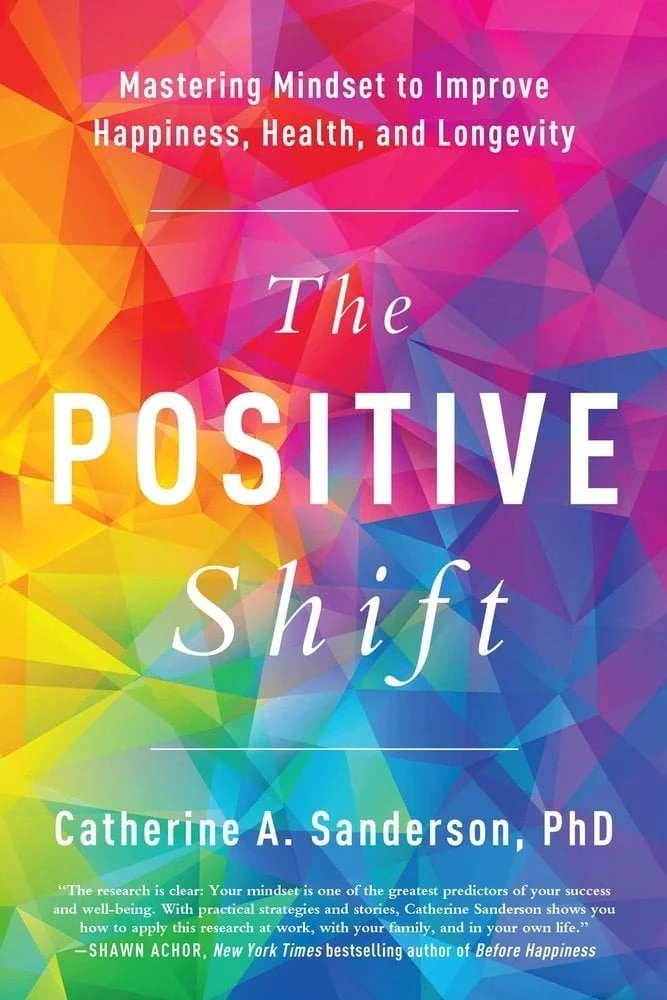
In The Positive Shift, psychologist Catherine Sanderson, PhD, reveals how small changes in thinking can lead to lasting improvements in happiness, health, and overall well-being.
Drawing on decades of research in positive psychology, health psychology, and behavioral science, Sanderson explains why our thoughts matter so much—and how we can train our minds to respond more effectively to stress, setbacks, and everyday challenges. Rather than promising unrealistic positivity, The Positive Shift offers practical, evidence-based strategies for developing optimism, resilience, and emotional balance.
Readers learn how mindset influences physical health, relationships, and performance at work and at home. Through engaging stories, real-world examples, and clear explanations of scientific studies, Sanderson shows how habits such as gratitude, self-compassion, and cognitive reframing can reduce stress, improve mood, and strengthen the body’s ability to cope with adversity.
The Positive Shift is both a science-based guide and an accessible roadmap for anyone who wants to feel better, live healthier, and approach life with greater confidence and purpose. By showing how small, realistic changes in mindset can produce meaningful results, Sanderson empowers readers to take control of their emotional well-being and build habits that support long-term happiness, health, and resilience.
Or purchase online at →
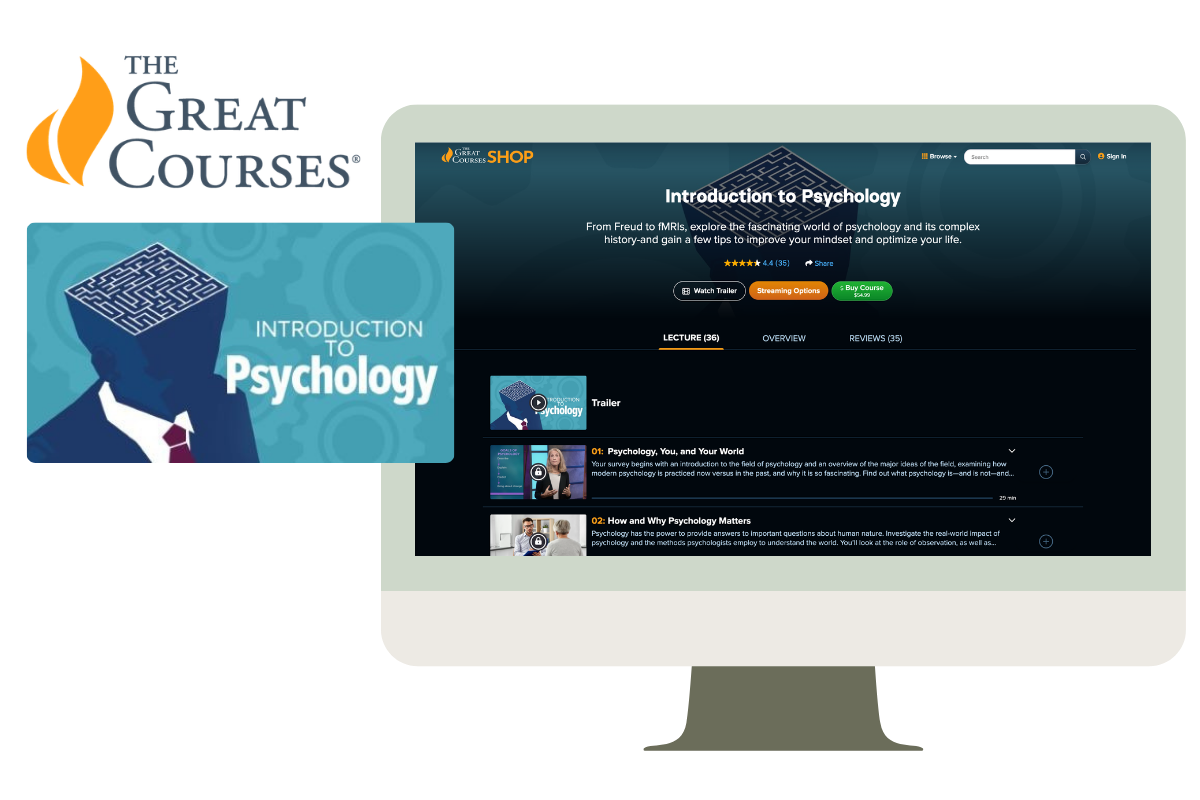
Introduction to Psychology Course
Catherine Sanderson was selected by The Great Courses to create and record their Introduction to Psychology course—an honor reserved for leading scholars known for exceptional teaching and clear communication. Designed for lifelong learners, this course presents the core principles of psychology through engaging lectures that blend classic studies with the latest scientific research.
In this popular series, Sanderson explores how the mind works, why people behave the way they do, and how psychological science can be applied to everyday life—from decision-making and motivation to relationships, happiness, and health. Her dynamic teaching style and real-world examples make complex research accessible, memorable, and practical.
Used by learners around the world, the course reflects Sanderson’s signature approach: translating rigorous psychological science into compelling stories and usable insights that help people better understand themselves and others.
Why We Act
by Catherine A. Sanderson
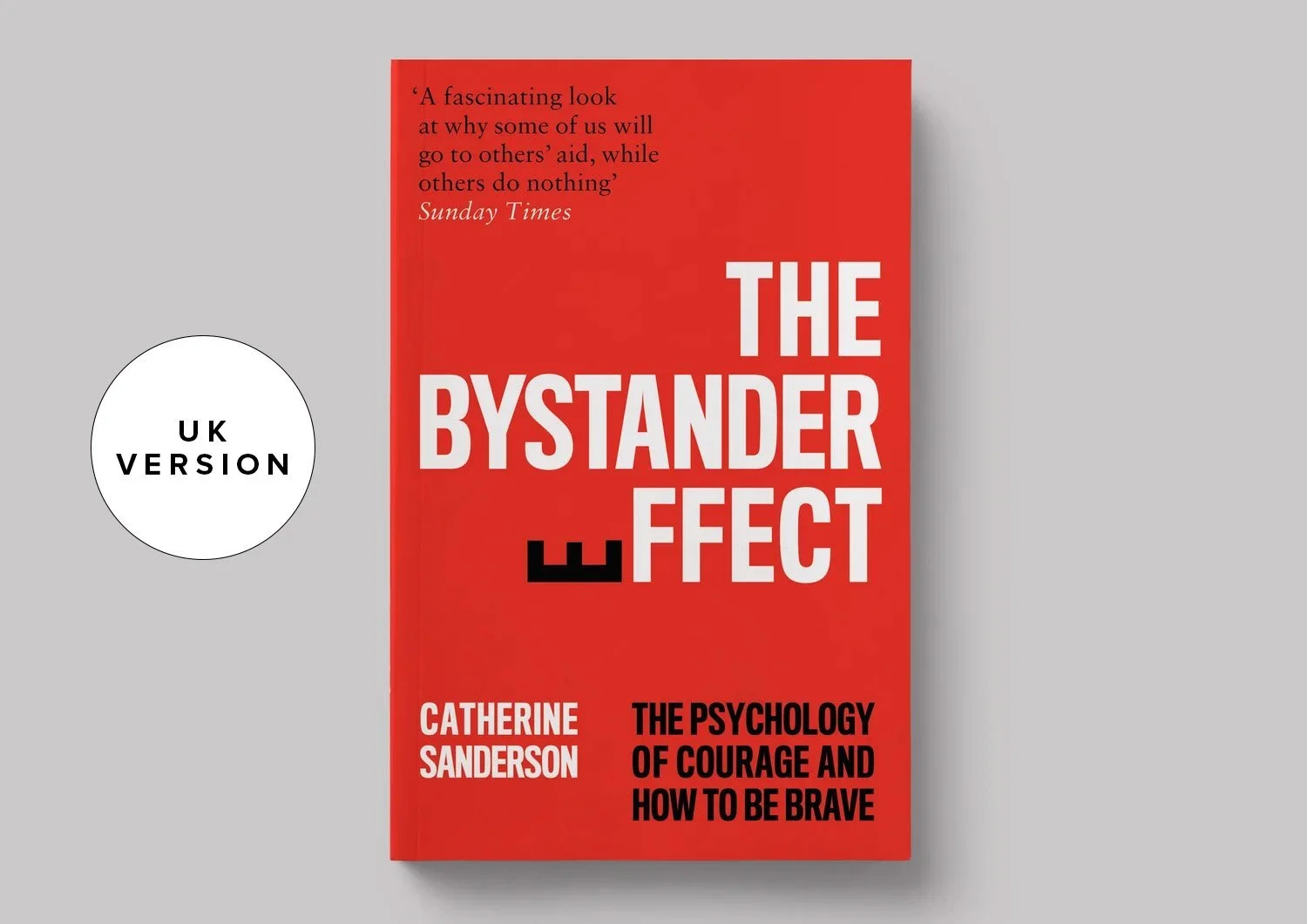
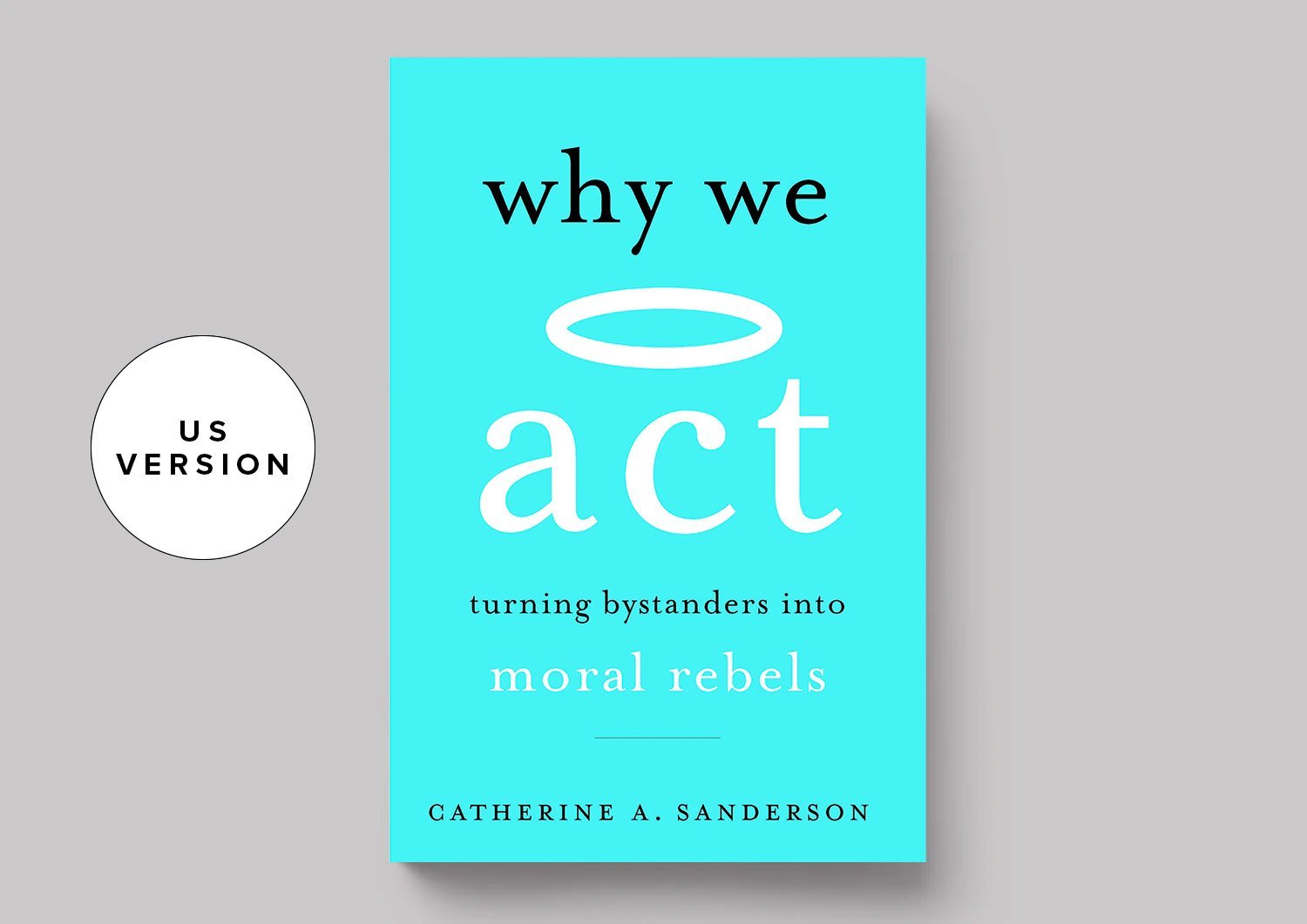
Why We Act (published in the UK as The Bystander Effect) is a science-based exploration of why people often fail to help in emergencies — and how anyone can learn to act with courage instead of hesitation.
Drawing on decades of research in social psychology and neuroscience, Catherine Sanderson explains the psychological forces that lead ordinary people to remain passive in the face of wrongdoing or distress, including diffusion of responsibility, fear of social judgment, and unconscious bias. Through compelling real-world stories and laboratory findings, the book reveals that inaction is not a moral flaw, but a predictable human response shaped by situation and context.
Most importantly, the book offers practical, research-backed strategies for overcoming the bystander effect and becoming more likely to help — whether witnessing harassment, discrimination, or someone in need. Readers learn how to recognize moments that call for action, build moral courage, and create environments that support ethical behavior.
Why We Act provides a powerful guide to understanding human behavior — and to transforming bystanders into everyday moral leaders at work, in schools, and in communities.