The Psychology of Perspective: Why Hard Moments Can Redefine Us
Hard moments change us. Sometimes quietly. Sometimes all at once.
Last year offered a painful reminder of this truth. My husband was fired—unexpectedly and wrongfully—from a job he had held for more than 20 years. At first, we told almost no one. Only a few family members and close friends knew. The silence made the experience feel even heavier.
Nearly two months later, we finally shared this difficult news more broadly. What happened next surprised us. Friends began checking in regularly. Some invited him to play golf or tennis. Others offered job leads and professional advice. Most meaningful of all, several people reached out with their own stories of sudden job loss and professional upheaval—stories they had never shared before.
In April, we felt scared and alone. By June, we felt supported and surrounded by care. Sharing something hard didn’t weaken our relationships. It strengthened them.
That experience echoes a powerful idea from psychology: perspective—not circumstance alone—shapes how hardship affects us.

When Tragedy Changes a Life’s Direction
I saw this lesson even more clearly through my stepfather, Howard.
Howard lived an extraordinary professional life, but what impressed me most was how he faced personal tragedy. His first wife died of cancer, leaving him a single parent to three daughters. Years later, his middle daughter died of cancer at age 42. A year after that, my mother—his second wife—also died of cancer.
These losses were devastating. But they did not destroy him.
As Howard once told my brother,
“When you have tragedy, you have a decision. You can let it destroy you, or you can let it make you a better person.”
He chose the second path. He remarried, rebuilt family life, and stayed deeply engaged with children and grandchildren across three blended families. His life became living proof that hardship can reshape values, deepen empathy, and clarify what truly matters.
Psychologists call this phenomenon post-traumatic growth—positive psychological change that occurs as people struggle with major life challenges.

How Adversity Can Increase Compassion
This pattern is not rare. Research shows that many people become more prosocial after significant loss. Longitudinal studies of bereaved spouses reveal increases in dependability, sociability, and altruism. Nearly 40 percent become more focused on helping others.
Lab studies show something similar. People who have experienced more hardship—such as divorce, injury, or the death of a loved one—tend to show greater compassion and are more likely to donate money to others in need. Pain expands perspective. It helps people recognize suffering in others.
Hardship, paradoxically, can make people kinder.
Why We Misjudge Other People’s Lives
At the same time, perspective is often distorted by comparison.
I once gave a talk at a beautiful home hosted by a family who seemed to have everything: elegant furniture, manicured landscaping, charming children. Driving away, I thought, What a perfect life.
The next day, I learned the truth: the wife’s first husband had died in the September 11 attacks—less than a month after their wedding.
That moment crystallized something important: we compare our private pain to other people’s public image.
As economist Seth Stephens-Davidowitz has shown, people talk far more about enjoyable and impressive activities than about ordinary or painful ones. We post vacations, promotions, and celebrations—not fear, grief, or rejection.
Playwright Anton Chekhov captured this truth long ago:
“The terrible things in life are played out behind the scenes.”
Psychological research confirms it. Students consistently believe their peers experience fewer negative events and more positive ones than they themselves do. This mistaken belief makes people feel lonelier and less satisfied with life—even when it’s wrong.

Why Sharing Hardship Changes Perspective
When people hide their struggles, others assume they are alone in suffering. When people speak honestly, something powerful happens: connection replaces comparison.
Universities have begun recognizing this. Programs encouraging people to share failures—rather than only successes—exist at Smith College, Stanford University, Harvard University, and the University of Pennsylvania.
Psychologist Johannes Haushofer even published a “CV of Failures,” listing rejections and missed opportunities. His reason was simple: people see achievements, but not the invisible setbacks behind them.
Sharing the hard parts restores perspective. It reminds us that struggle is not a personal flaw—it is a human experience.
How Hard Moments Redefine Us
Loss, rejection, and disruption can narrow our world—or widen it.
They can make us withdraw—or reach out.
They can make us bitter—or kinder.
They can make us smaller—or deeper.
My stepfather’s response to tragedy reshaped his values. My family’s response to job loss reshaped our relationships. The same events that initially felt destabilizing ultimately clarified what mattered most: connection, generosity, and time with people we love.
Perspective is not passive. It is something we build.
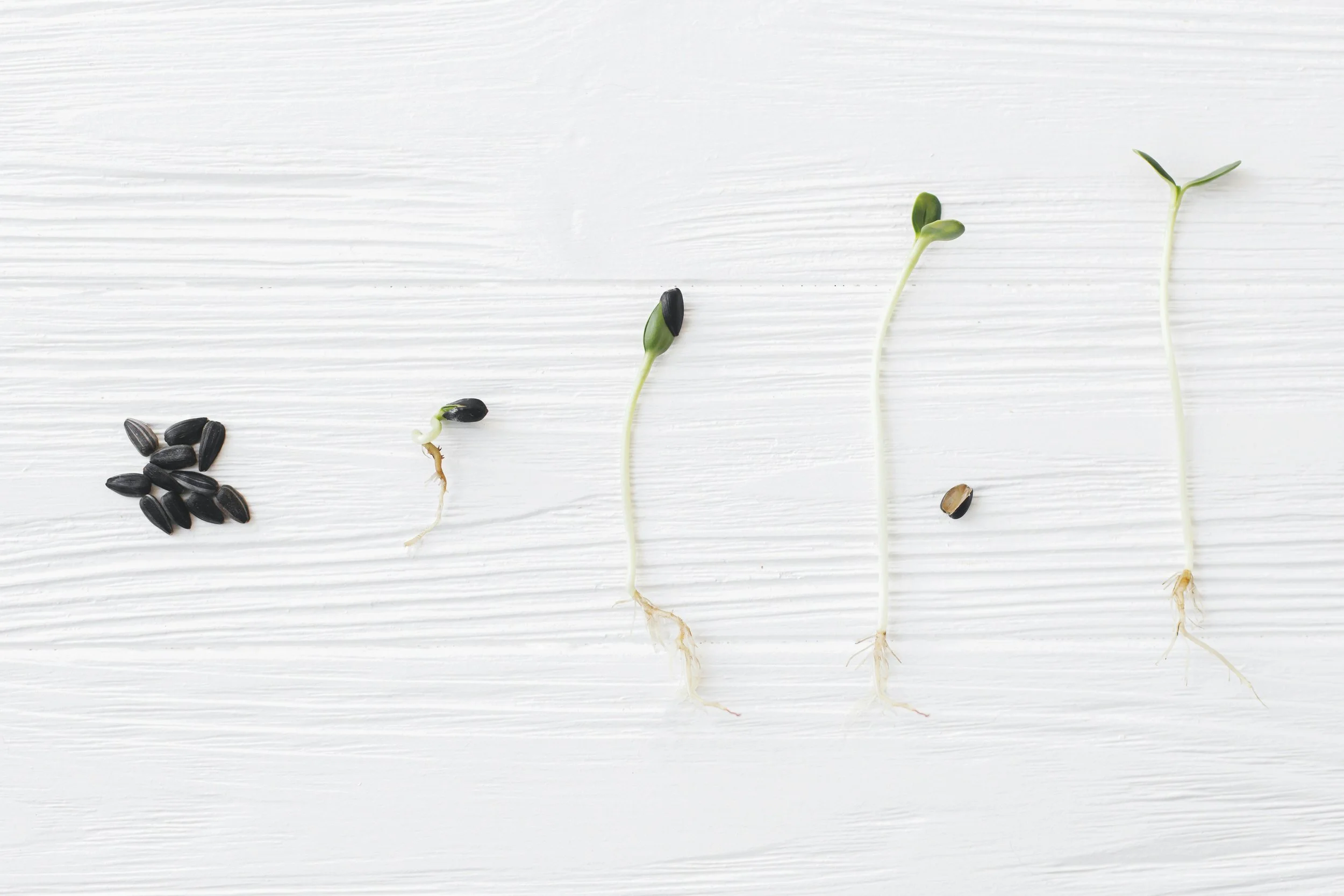
The Psychology of Growth Through Difficulty
Here is what the science—and life—both suggest:
Hard moments do not automatically make people stronger.
But they can make people wiser, more compassionate, and more connected—when meaning is made from them.
Psychologists see this pattern again and again:
adversity increases empathy
loss deepens relationships
hardship reshapes priorities
struggle expands perspective
As writer Anne Lamott wisely says:
“Try not to compare your insides to other people’s outsides.”
When we stop hiding pain and stop assuming perfection in others, we gain something better than reassurance: perspective.
And sometimes, the moments that hurt the most are the ones that ultimately redefine who we become.
Understanding how perspective shapes resilience and connection is central to my work with people and organizations navigating change, loss, and uncertainty. In my keynote programs, I translate research on growth, mindset, and emotional intelligence into practical tools audience members can use to build resilience and foster compassion during hard times.
If you’re planning an event focused on resilience, leadership, or well-being, I’d love to help your audience turn psychological insight into lasting impact. Reach out today.